About water extraction and structural drying
Getting the visible water out is only half the job. Water soaks into subfloors, drywall, insulation and framing, and it stays there long after the floor looks dry.
Structural drying uses controlled airflow and dehumidification to draw that hidden moisture out, with readings taken along the way so drying stops when materials are actually dry, not when they feel dry.
Common causes
- Any leak or flood that soaked building materials
- Water trapped under flooring
- Wet insulation in walls or ceilings
Warning signs
- Damp baseboards
- Swollen door frames
- Persistent humidity in a room
- Cupping wood floors
Our process
- 01
Extraction
Remove water from floors, carpets and pads.
- 02
Moisture mapping
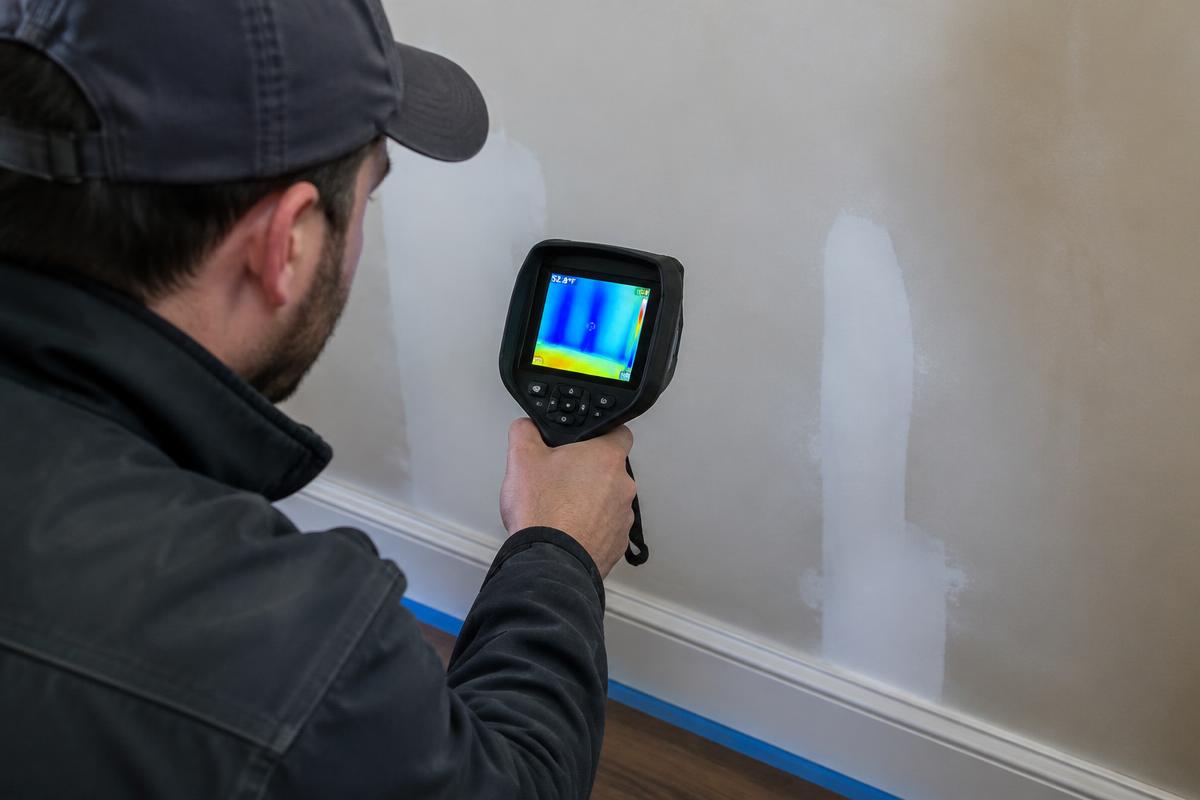
Find wet areas using meters and thermal imaging.
- 03
Drying setup
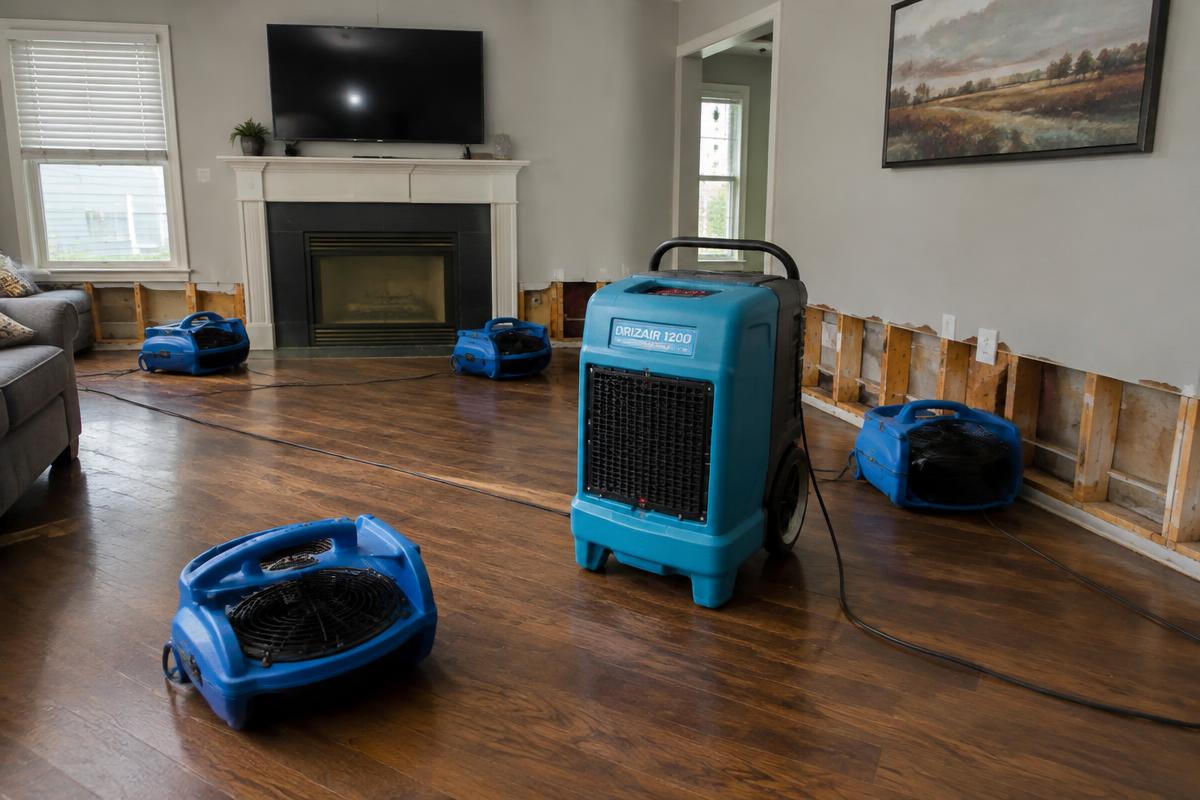
Position air movers and dehumidifiers for the space.
- 04
Daily readings
Adjust equipment and confirm dry standards are reached.
Equipment we may use
- Weighted extraction tools
- Air movers
- LGR dehumidifiers
- Wall cavity drying systems
- Pin and pinless moisture meters
Benefits of professional restoration
- Helps prevent warping and delamination
- Reduces conditions that favour mold
- Avoids unnecessary demolition
- Documented drying results
Water Extraction and Structural Drying for Hamilton properties
Hamilton's humid summers slow natural drying, and basements stay cool and damp. Mechanical drying is often the only reliable way to get materials back to normal moisture levels. See our service areas.